
herbdavidguitarstudio
Music Brings Harmony To The WorldThe Future of Emissions Reduction: Carbon Capture and Storage Technology
Sunday , 4, October 2026 Blogging Comments Off on The Future of Emissions Reduction: Carbon Capture and Storage Technology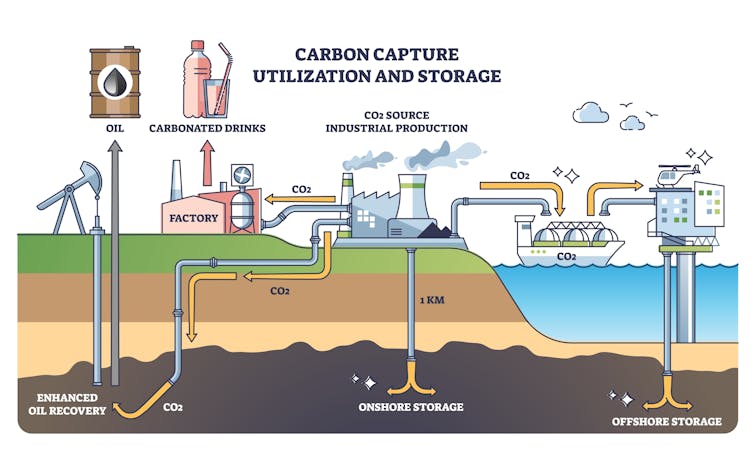
As the urgency to tackle climate change intensifies, the spotlight is increasingly on innovative solutions that can significantly reduce carbon emissions. Among these solutions, carbon capture and storage technology (CCS) emerges as a promising contender. This technology offers a strategic approach to mitigate emissions from industrial sources by capturing carbon dioxide (CO2) before it enters the atmosphere and securely storing it underground. The potential of CCS to play a pivotal role in achieving global climate goals is substantial, yet its widespread adoption relies on overcoming technical, economic, and regulatory challenges.
Understanding Carbon Capture and Storage (CCS)
Carbon Capture and Storage (CCS) is a three-step process designed to reduce carbon emissions from industrial facilities. Here’s how it works:
- Capture: The first step involves capturing CO2 emissions from power plants or industrial processes. This can be done using various methods such as post-combustion capture, pre-combustion capture, and oxy-fuel combustion.
- Transport: Once captured, CO2 is transported to a storage site. This is typically achieved through pipelines, though shipping and other methods are also being explored.
- Storage: Finally, the CO2 is injected into deep underground rock formations, where it is securely stored and prevented from entering the atmosphere.
The Benefits of Carbon Capture and Storage
CCS technology offers several advantages that make it a vital component of global emissions reduction strategies:
- Reduction of Industrial Emissions: CCS can capture up to 90% of CO2 emissions from sources like power plants and industrial facilities.
- Compatibility with Existing Infrastructure: CCS can be integrated with existing industrial processes, reducing the need for entirely new infrastructure.
- Support for Renewable Energy: By reducing emissions from conventional energy sources, CCS can facilitate a smoother transition to renewable energy by balancing energy supply.
Challenges Faced by CCS Technology
Despite its potential, the implementation of CCS technology faces several hurdles that must be addressed to ensure its viability:
- High Costs: The economic feasibility of CCS is often questioned due to the significant costs associated with its deployment and operation.
- Regulatory and Policy Barriers: Clear policies and regulations are essential to encourage investment and development in CCS technology.
- Public Acceptance: Gaining public trust and acceptance is crucial for the development of storage sites, given concerns about safety and environmental impact.
The Future of CCS Technology
As the world grapples with the need to significantly cut emissions, CCS stands at a critical juncture. The future of this technology will be shaped by advancements in research and development, supportive policy frameworks, and collaboration among stakeholders. By addressing the existing challenges, CCS could play an instrumental role in decarbonizing hard-to-abate sectors and achieving net-zero emissions targets.
For further exploration of the ongoing developments in CCS, the collaboration between industry leaders offers insights into the future landscape of carbon capture and storage technology.