herbdavidguitarstudio
Music Brings Harmony To The WorldTime Trial Aero Kit Essentials: Upgrade Your Cycling Performance
Wednesday , 28, October 2026 Blogging Comments Off on Time Trial Aero Kit Essentials: Upgrade Your Cycling Performance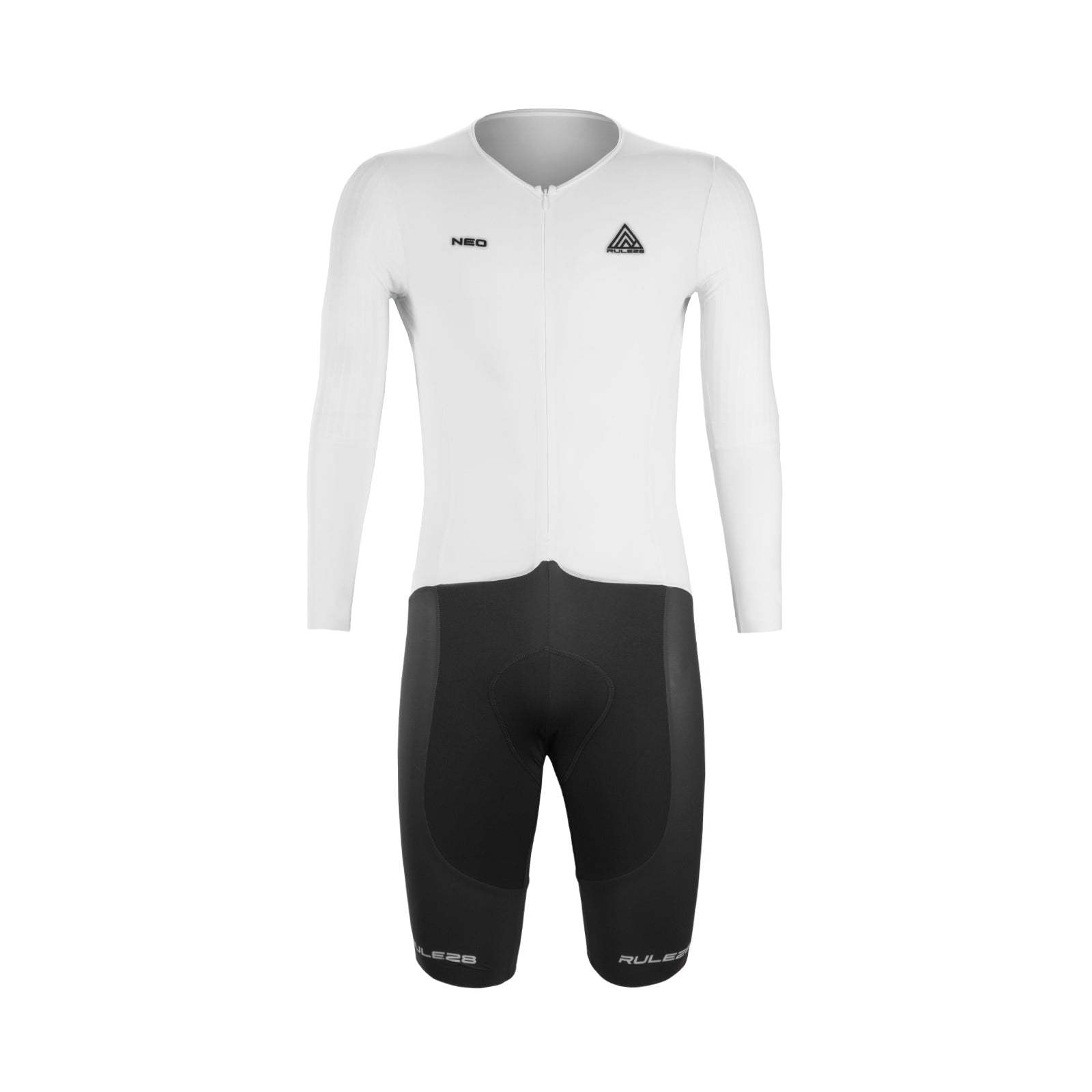
Time trial cycling demands a delicate balance of power, precision, and aerodynamics. Even the most seasoned riders discover that marginal gains in equipment can translate into significant performance improvements on the road. By focusing on the essential components of a time trial aero kit, cyclists can reduce drag, maintain optimal body positioning, and extract the most from each pedal stroke. This guide outlines the key elements that make up a high-performance aero setup, offering practical advice on selecting and integrating upgrades that align with the latest scientific insights and real-world testing.
Understanding Aerodynamic Drag
Before diving into specific components, it’s helpful to grasp how drag influences speed. Aerodynamic drag increases exponentially with velocity, meaning that at typical TT speeds (40-45″?km/h), the majority of the effort goes toward overcoming air resistance rather than propelling the bike forward. Reducing drag by even 1″?% can shave several seconds off a 20-kilometer effort, a difference that often decides podium positions.
Key Factors Contributing to Drag
- Frontal area: The size of the rider’s silhouette facing the wind.
- Shape: How smoothly air flows over the rider and equipment.
- Surface texture: Micro-roughness can either increase or decrease drag depending on speed.
- Rider position: Hip angle, shoulder width, and head placement are critical.
Core Components of a Time Trial Aero Kit
Each piece of equipment plays a specific role in managing airflow. When combined thoughtfully, they create a cohesive system that maximizes speed while preserving comfort.
1. Aerodynamic Helmet
- Streamlined shell with a smooth visor reduces turbulence around the head.
- Integrated ventilation that balances cooling with drag reduction.
- Carbon fiber construction for a lightweight, stiff structure.
2. Time Trial TT Bars and Extensions
- Triangular cross-section minimizes frontal area.
- Adjustable extensions allow fine-tuning of hip angle and reach.
- Integrated cable routing keeps wires hidden and reduces drag.
3. Aero Wheels and Tires
- Deep-section rims (???”?45″?mm) slice through the air at high speeds.
- Clincher or tubeless setups with low-rolling-resistance tires (23-25″?mm width).
- Disc wheels for flat-out sections; aerodynamic clinchers for climbs.
4. Skin-Fit Time Trial Suit
- Seamless construction eliminates protruding stitches.
- Compression zones support muscle efficiency.
- Strategic panel placement directs airflow over the torso and legs.
5. Integrated Shoe Covers and Pedal Systems
- Cover the cleats to smooth the shoe’s profile.
- Clipless pedals with aerodynamic spindle design reduce drag at the foot.
Choosing the Right time trial aero kit
Selecting upgrades should be a data-driven process. Consider the following criteria to ensure each component adds measurable value.
- Fit and comfort: A perfectly aerodynamic position is useless if it cannot be held for the duration of a race.
- Compatibility: Ensure that bars, wheels, and helmets work together without creating gaps in the airflow.
- Weight vs. aero benefit: While deep rims improve aerodynamics, they add rotational mass; balance is essential for hilly courses.
- Testing evidence: Look for wind-tunnel data or field tests that quantify drag reduction.
Practical Upgrade Path for Different Budgets
Not every rider can overhaul their entire setup at once. Below is a tiered approach that prioritizes the most impactful changes.
Entry-Level (???”?$300-$800)
- Invest in a high-quality aero helmet and a set of skin-fit sleeves.
- Upgrade to a pair of aerodynamic shoe covers.
- Fine-tune bike fit to achieve a lower hip angle without sacrificing power.
Mid-Range (???”?$800-$2,000)
- Add a set of deep-section aero wheels paired with low-rolling-resistance tires.
- Replace standard handlebars with integrated TT bars and extensions.
- Adopt a full-length time trial suit with seamless construction.
Premium (>$2,000)
- Full carbon aero frame designed for optimal tube shaping.
- Custom-molded aero helmet with integrated visor and ventilation.
- Tailored suit featuring personalized fit and advanced fabric technology.
Maintenance Tips to Preserve Aerodynamic Efficiency
Even the best equipment loses its edge if not cared for properly. Follow these simple practices to keep drag at a minimum.
- Regularly clean surfaces to remove dirt and road grime that can disrupt airflow.
- Check wheel true and tension; wobble creates additional drag.
- Inspect helmet and suit seams for wear; replace when fabric begins to stretch.
- Maintain tire pressure within the recommended range to avoid increased rolling resistance.
Integrating time trial upgrades cycling Into Training
Equipment upgrades are most effective when paired with targeted training. Incorporate the following strategies to fully exploit aerodynamic gains.
- Position drills: Use a wind-tunnel or on-bike video analysis to refine hip angle and shoulder width.
- Power-to-weight sessions: Practice maintaining threshold power while wearing the full aero kit to gauge comfort.
- Simulation rides: Replicate race conditions (wind, gradient) to test how the new kit behaves under stress.
Conclusion
Optimizing a time trial aero kit is a systematic process that blends scientific insight, precise equipment selection, and diligent maintenance. By focusing on the essential components, helmet, bars, wheels, suit, and shoe accessories, cyclists can achieve measurable reductions in drag and translate those gains into faster, more efficient performances. Whether operating on a modest budget or seeking a top-tier setup, the principles outlined here provide a clear roadmap for upgrading and fine-tuning a time trial machine. Consistent testing, proper fit, and disciplined training will ensure that every aerodynamic improvement delivers its full potential on race day.