
herbdavidguitarstudio
Music Brings Harmony To The WorldHow to Choose the Best L Carnitine Supplements for Your Goals
Thursday , 29, October 2026 Blogging Comments Off on How to Choose the Best L Carnitine Supplements for Your Goals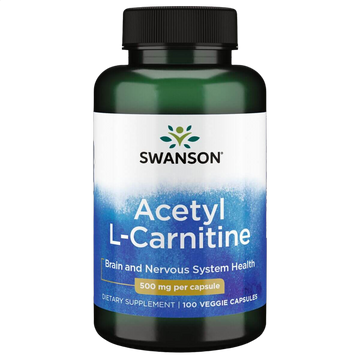
L-carnitine is a naturally occurring compound that transports fatty acids into the mitochondria, where they are oxidised for energy. Because of this pivotal role, many athletes, fitness enthusiasts, and health-conscious individuals turn to supplemental L-carnitine to enhance performance, support weight management, and promote recovery. Yet the market is saturated with products that differ in form, dosage, purity, and added ingredients. Selecting the right supplement requires a clear understanding of personal goals, scientific evidence, and quality standards. The following guide outlines the key factors to consider when choosing an L-carnitine product that aligns with specific objectives, while also offering practical tips for evaluating label claims and ingredient lists.
Identify Your Primary Goal
Before diving into the specifics of a product, clarify the outcome you hope to achieve. L-carnitine can support several distinct objectives, each of which may benefit from a different formulation.
Performance & Endurance
- Look for L-carnitine tartrate – the most researched form for improving exercise efficiency.
- Dosages of 2-3″?g taken 30-60″?minutes before training have shown modest gains in stamina.
- Consider products that combine L-carnitine with electrolytes or B-vitamins to aid energy metabolism.
Weight Management
- Acetyl-L-carnitine (ALCAR) may be preferable for those seeking both fat oxidation and cognitive benefits.
- Consistent daily intake of 1-2″?g, split across meals, supports metabolic flexibility.
- Formulas that include green tea extract or caffeine can synergise with the thermogenic effect.
Recovery & Muscle Health
- ALCAR penetrates the blood-brain barrier and can aid post-exercise muscle repair.
- Products enriched with antioxidants (e.g., alpha-lipoic acid) help mitigate oxidative stress.
- Take 500″?mg-1″?g after workouts to enhance muscle protein synthesis.
Evaluate the Form of L-Carnitine
Not all L-carnitine supplements are created equal. The three most common forms each have unique absorption rates and functional benefits.
- L-carnitine tartrate – Fast-absorbing, ideal for pre-workout timing.
- Acetyl-L-carnitine (ALCAR) – Crosses the blood-brain barrier, supporting mental clarity alongside physical performance.
- Propionyl-L-carnitine – Often used for circulatory health; may be beneficial for endurance athletes who experience peripheral fatigue.
When the goal is pure athletic performance, tartrate is typically recommended. For a dual focus on cognition and fat loss, ALCAR is a strong candidate. Detailed product comparisons can be found by Discover expert strategies here.
Check Purity, Dosage, and Transparency
High-quality supplements disclose the exact amount of active L-carnitine per serving and provide third-party testing results.
- Label clarity – Look for a straightforward ingredient list with no hidden fillers.
- Third-party certification – Independent labs such as NSF or Informed-Sport verify potency and absence of contaminants.
- Dosage consistency – Products that state “per serving” and include a serving size guide reduce the risk of under- or over-dosing.
Brands that prioritise transparency often include a QR code linking to a lab report. For an example of such openness, Learn about our tailored solutions.
Consider Additional Ingredients
Many L-carnitine supplements are blended with complementary nutrients to boost efficacy.
Synergistic Add-Ons
- Coenzyme Q10 (CoQ10) – Enhances mitochondrial energy production.
- Alpha-lipoic acid – Provides antioxidant protection during intense training.
- Green tea catechins – Support thermogenesis and overall metabolism.
Potential Irritants
- Excessive artificial sweeteners or fillers can cause gastrointestinal discomfort.
- High levels of caffeine may interfere with sleep if taken later in the day.
Choosing a formula that aligns with personal tolerances helps maintain consistency. A curated list of well-balanced blends is available at Explore advanced guides and tips.
Assess Value and Delivery Format
Price per gram of active L-carnitine varies widely. Evaluate cost in relation to dosage, purity, and added benefits.
- Capsules vs. Powder – Powders allow flexible dosing but require a shaker; capsules offer convenience.
- Bulk purchasing – Larger containers often reduce the per-gram price but require a longer commitment.
- Subscription options – Some retailers provide discounted recurring shipments, ensuring a steady supply.
For a practical cost-benefit analysis, Find out more about this approach and compare the total active ingredient delivered per package.
Final Checklist Before Purchase
- Define your primary objective (performance, weight loss, recovery).
- Select the appropriate L-carnitine form (tartrate, ALCAR, propionyl).
- Verify dosage recommendations match scientific research.
- Confirm third-party testing and transparent labeling.
- Review additional ingredients for synergy or potential irritation.
- Calculate cost per gram of active L-carnitine and consider delivery format.
By systematically applying these criteria, you can navigate the crowded supplement landscape with confidence and choose a product that truly supports your health and performance goals. The right L-carnitine supplement, selected with informed precision, becomes a reliable ally in the pursuit of optimal results.