
herbdavidguitarstudio
Music Brings Harmony To The WorldBest Practices for Indoor Air Quality Testing
Tuesday , 20, October 2026 Blogging Comments Off on Best Practices for Indoor Air Quality Testing 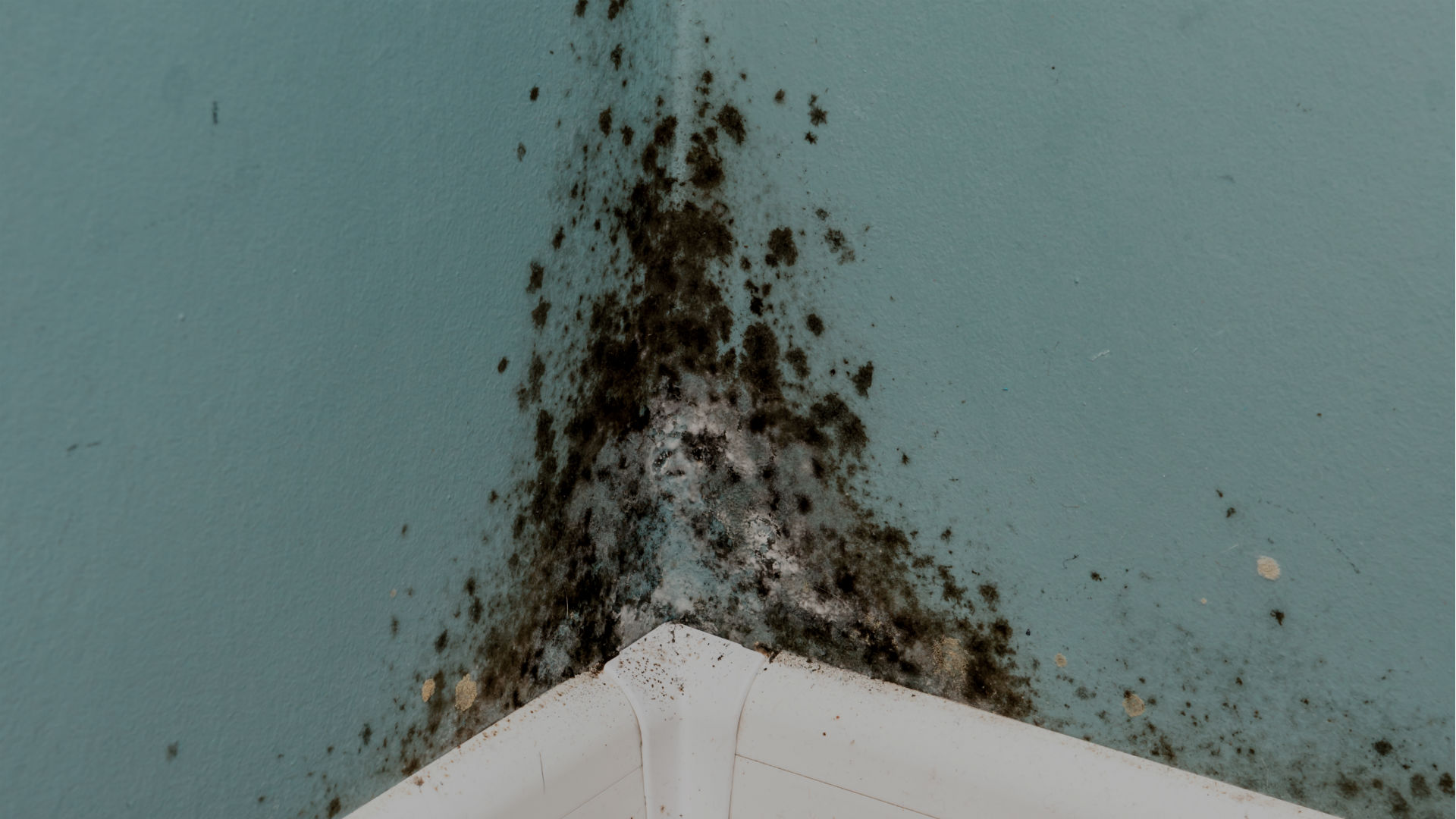
Indoor air quality (IAQ) has a direct impact on health, productivity, and overall comfort in homes and workplaces.
Accurate testing identifies pollutants, moisture problems, and ventilation deficiencies before they become serious
issues. Implementing a systematic testing routine ensures that corrective actions are based on reliable data,
leading to healthier indoor environments and reduced long-term costs.
Why Indoor Air Quality Matters
Poor IAQ can trigger respiratory conditions, allergic reactions, and even cognitive decline.
Buildings that prioritize air quality benefit from lower absenteeism, higher occupant satisfaction,
and compliance with increasingly strict regulatory standards.
Understanding the root causes of indoor pollutants is the first step toward effective mitigation.
Key Steps in Air Quality Testing
1. Planning and Scope Definition
A clear testing plan outlines the objectives, areas of concern, and the types of contaminants to be measured.
For comprehensive guidance, Discover expert strategies here.
2. Selecting Appropriate Instruments
- Particle counters for dust, pollen, and mold spores.
- Carbon dioxide (CO???) monitors to assess ventilation efficiency.
- VOC (volatile organic compounds) detectors for chemicals from paints, cleaners, and furnishings.
- Humidity and temperature sensors to evaluate conditions that promote mold growth.
3. Conducting the Survey
Follow a consistent protocol:
- Calibrate equipment before each use.
- Perform measurements at breathing height (???1.5″?m).
- Record data at multiple locations and times to capture variations.
- Document environmental conditions such as outdoor weather and building occupancy.
4. Data Analysis and Reporting
Compare results against recognized standards (e.g., WHO, ASHRAE).
Detailed reports should include:
- Executive summary with key findings.
- Graphical representation of pollutant trends.
- Recommendations for remediation or further monitoring.
For a deeper dive into reporting techniques, Explore advanced guides and tips.
Interpreting Test Results
Raw numbers become actionable insights only when placed in context. High particulate counts may indicate inadequate filtration,
while elevated CO??? levels often point to insufficient fresh-air exchange.
When moisture readings exceed 60″?% relative humidity, mold risk escalates sharply.
Understanding these relationships helps prioritize interventions.
Common Thresholds
- PM???.???: < 12"???g/m?? (good), 12-35"???g/m?? (moderate), >“?35”???g/m?? (unhealthy).
- CO???: <"?800"?ppm (adequate ventilation), 800-1,200"?ppm (moderate), >“?1,200”?ppm (poor ventilation).
- VOC: <"?0.5"?mg/m?? (low), 0.5-1.0"?mg/m?? (moderate), >“?1.0”?mg/m?? (high).
Maintaining Optimal Indoor Air Quality
Testing is only the beginning; ongoing maintenance sustains healthy air. Regular filter replacement,
humidity control, and source elimination are essential components of a long-term IAQ strategy.
Actionable Maintenance Checklist
- Replace HVAC filters every 3-6 months, or sooner in high-dust environments.
- Install dehumidifiers in areas prone to moisture; keep indoor relative humidity between 30-50″?%.
- Seal cracks and improve drainage to prevent water intrusion.
- Use low-VOC paints, adhesives, and cleaning agents.
- Schedule periodic IAQ re-testing to verify that corrective measures remain effective.
Guidance on selecting the right equipment can be found at Learn about our tailored solutions.
Common Pitfalls to Avoid
Even experienced facilities can fall into traps that compromise IAQ testing accuracy. Recognizing these pitfalls helps
maintain the integrity of the testing process.
- Inconsistent Sampling Times: Testing only during unoccupied periods can mask real-world pollutant levels.
- Improper Sensor Placement: Placing monitors too close to vents or windows skews data.
- Neglecting Calibration: Uncalibrated equipment yields unreliable results.
- Overlooking Seasonal Variations: Air quality can change dramatically with temperature and humidity cycles.
- Failing to Correlate Data with Occupant Feedback: Subjective reports often reveal issues that instruments miss.
For a comprehensive overview of troubleshooting techniques, Find out more about this approach.
Conclusion
Implementing best practices for indoor air quality testing empowers building managers, homeowners, and health professionals
to create environments that support well-being and productivity. By following a systematic approach, defining objectives,
selecting proper tools, conducting rigorous measurements, and acting on data, indoor spaces can remain safe, comfortable,
and compliant with evolving health standards. Continuous monitoring and proactive maintenance complete the cycle, ensuring
that the air people breathe indoors remains consistently clean and healthy.