
herbdavidguitarstudio
Music Brings Harmony To The WorldMaximizing Efficiency: The Benefits of Export Pallets
Sunday , 4, October 2026 Blogging Comments Off on Maximizing Efficiency: The Benefits of Export Pallets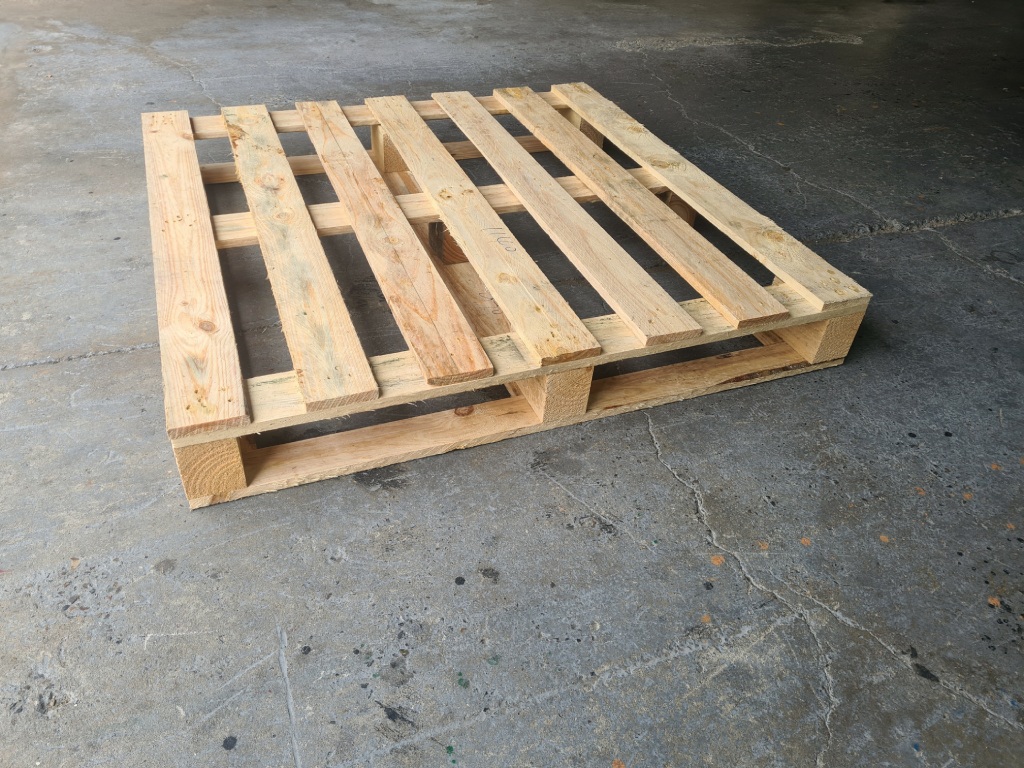
In today’s global economy, the efficient transportation of goods across international borders is paramount. Businesses are constantly seeking ways to optimize their supply chains, reduce costs, and enhance operational efficiency. This is where export pallets play a crucial role. Export pallets are specially designed to meet international shipping standards, ensuring that goods are transported safely and efficiently. By maximizing efficiency in logistics, businesses can achieve greater profitability and sustainability.
Understanding Export Pallets
What Are Export Pallets?
Export pallets are a vital component in the logistics and supply chain industry. These pallets are designed to meet specific international standards, such as ISPM 15, which governs the treatment and marking of wooden packaging materials. This ensures that the pallets are free from pests and diseases, allowing them to be used in international shipping without restrictions.
- Constructed from various materials including wood, plastic, and metal.
- Standardized sizes ensure compatibility with shipping containers.
- Lightweight yet durable, optimizing shipping costs.
The Benefits of Using Export Pallets
Cost Efficiency
Export pallets are designed to maximize space and efficiency, reducing the overall cost of shipping. By optimizing the use of available space in shipping containers, businesses can transport more goods per shipment, lowering transportation costs.
- Reduces need for additional packaging materials.
- Minimizes shipping weight, leading to lower freight charges.
- Reusable, providing long-term cost savings.
Compliance with International Standards
Compliance with international shipping standards is a critical factor in global trade. Export pallets meet these requirements, ensuring that shipments are not delayed at customs or rejected due to non-compliance. By using compliant pallets, businesses can maintain smooth operations and avoid costly delays.
- ISPM 15 certification reduces risk of pest infestations.
- Standardized sizing facilitates seamless integration into global supply chains.
- Reduces risk of fines and penalties for non-compliance.
Enhancing Supply Chain Efficiency
Improved Handling and Storage
The use of export pallets enhances the efficiency of handling and storage operations within warehouses and distribution centers. Their standardized design allows for easy stacking and safe storage, which helps in maintaining an organized and efficient workflow.
- Facilitates effective inventory management.
- Easy to move using forklifts and pallet jacks.
- Reduces risk of product damage during handling.
Environmental Benefits
In addition to logistical benefits, export pallets contribute to environmental sustainability. Many pallets are made from recycled materials and are fully recyclable at the end of their lifecycle, reducing the environmental footprint of shipping operations.
- Supports sustainable forestry through responsible sourcing.
- Reduces waste by promoting pallet recycling.
- Contributes to a circular economy by extending the lifecycle of materials.
Choosing the Right Export Pallets for Your Business
When selecting export pallets for business needs, it is essential to consider factors such as material, size, and load capacity. Different materials offer various benefits, and the right choice depends on the specific requirements of the goods being shipped.
Material Considerations
- Wooden pallets: Cost-effective and easy to repair.
- Plastic pallets: Durable and resistant to moisture.
- Metal pallets: Ideal for heavy-duty loads.
Size and Load Capacity
Choosing the correct size and load capacity ensures that the pallets can safely accommodate the goods while maximizing space utilization.
- Ensure compatibility with standard shipping containers.
- Consider the weight and dimensions of the goods.
- Opt for custom sizes if necessary to meet unique shipping needs.
In conclusion, export pallets are an indispensable tool for businesses engaged in international trade. By maximizing efficiency through the use of standardized and compliant pallets, companies can reduce costs, ensure compliance, and enhance the overall sustainability of their supply chain operations. As global trade continues to evolve, the strategic use of export pallets will remain a pivotal factor in achieving logistical excellence.