
herbdavidguitarstudio
Music Brings Harmony To The WorldRam upgrade solutions for extending the life of legacy servers
Tuesday , 10, November 2026 Blogging Comments Off on Ram upgrade solutions for extending the life of legacy servers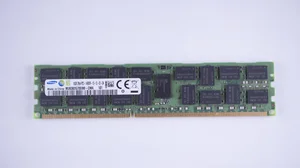
As legacy servers continue to remain a vital component of many organizations’ IT infrastructure, it is crucial to explore ways to extend their lifespan and maintain optimal performance levels. One of the most effective strategies for achieving this goal is through the implementation of a suitable RAM upgrade solution. This approach not only enhances the server’s processing capabilities but also enables it to handle increased workloads and demands. For instance, a server with insufficient RAM may struggle to cope with the demands of running multiple applications simultaneously, leading to decreased performance and potentially even system crashes. By upgrading the RAM, organizations can ensure that their servers remain efficient and reliable, thereby minimizing the need for costly hardware replacements.
Understanding RAM Upgrade Solutions
When it comes to upgrading the RAM in legacy servers, it is essential to consider the type and capacity of the memory modules required. The choice of RAM type depends on the server’s architecture and the specific applications it is running. For instance, some servers may require DDR3 or DDR4 memory, while others may necessitate the use of specialized memory modules. Additionally, the capacity of the RAM modules should be carefully selected to ensure that the server has sufficient memory to handle its workload. A general rule of thumb is to add at least 8GB of RAM to the server, but this may vary depending on the specific requirements of the organization.
Benefits of Upgrading RAM
Upgrading the RAM in legacy servers offers a range of benefits, including improved performance, increased efficiency, and reduced downtime. By enhancing the server’s processing capabilities, organizations can ensure that their systems remain responsive and reliable, even in the face of increasing workloads. Furthermore, upgrading the RAM can help to reduce the need for costly hardware replacements, thereby minimizing the financial burden on the organization. In addition, upgrading the RAM can also help to extend the lifespan of the server, thereby reducing electronic waste and minimizing the environmental impact of the organization.
Choosing the Right RAM Upgrade Solution
When selecting a RAM upgrade solution, it is essential to consider the specific needs of the organization. This includes evaluating the server’s architecture, the type of applications it is running, and the level of performance required. By carefully evaluating these factors, organizations can select a RAM upgrade solution that meets their specific needs and ensures optimal performance levels. For instance, organizations may choose to upgrade their RAM to DDR4 or DDR5 memory, depending on the specific requirements of their server. Additionally, they may select memory modules with a higher capacity or speed rating to further enhance the server’s performance.
Additional Resources
For organizations looking to upgrade their RAM, there are a variety of resources available to help guide the process. For instance, the RAM Exchange offers a wealth of information on RAM upgrade solutions, including detailed guides and tutorials. Additionally, organizations can consult with IT professionals or seek advice from industry experts to ensure that they select the most suitable RAM upgrade solution for their specific needs. By taking the time to carefully evaluate their options and select the most suitable RAM upgrade solution, organizations can ensure that their legacy servers remain efficient, reliable, and effective.
Conclusion
In conclusion, upgrading the RAM in legacy servers is a crucial step in maintaining optimal performance levels and extending the lifespan of these critical systems. By carefully evaluating the specific needs of the organization and selecting a suitable RAM upgrade solution, organizations can ensure that their servers remain efficient, reliable, and effective. With the right RAM upgrade solution in place, organizations can minimize the need for costly hardware replacements, reduce electronic waste, and minimize the environmental impact of their operations. By exploring further insights here, organizations can gain a deeper understanding of the RAM upgrade process and make informed decisions about their IT infrastructure.