
herbdavidguitarstudio
Music Brings Harmony To The WorldThe Benefits of AI in Prior Authorization Automation
Thursday , 5, March 2026 Blogging Comments Off on The Benefits of AI in Prior Authorization Automation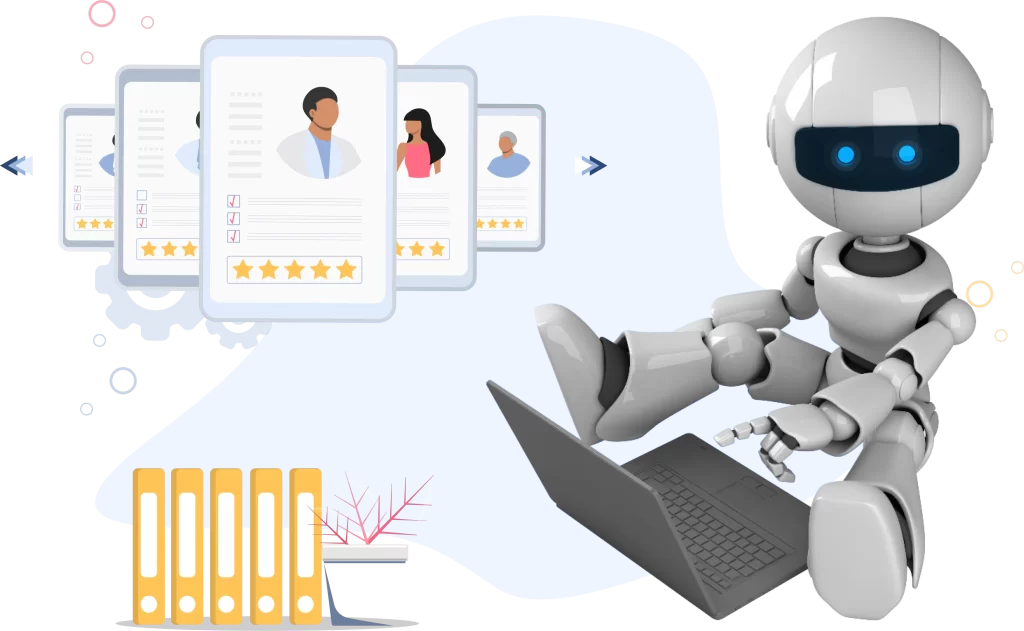
The healthcare industry is undergoing a transformative shift with the integration of Artificial Intelligence (AI) in various operational processes. One of the critical areas benefiting from AI is prior authorization automation. Prior authorization is an essential step in the healthcare reimbursement process, ensuring that treatments and medications are covered by insurance providers before they are administered to patients. However, this process has historically been cumbersome and time-consuming, often leading to delays in patient care. By automating prior authorization through AI, healthcare providers can streamline operations, reduce administrative burdens, and ultimately enhance patient outcomes.
Enhancing Efficiency with AI
AI-driven automation of prior authorization processes significantly enhances operational efficiency. Traditional methods are often manual and require significant human intervention, which can lead to errors and inconsistencies. With AI:
- Data is processed rapidly, reducing the time taken to complete authorization requests.
- Errors are minimized due to the elimination of manual data entry.
- Healthcare staff can focus on more critical tasks, improving overall productivity.
To learn about tailored solutions that enhance efficiency, consider exploring expert strategies.
Improved Accuracy in Decision Making
AI systems are capable of analyzing vast amounts of data with high precision, leading to more accurate decision-making. This is particularly beneficial in prior authorization, where:
- AI algorithms can evaluate patient data against complex insurance criteria swiftly.
- Clinical guidelines are consistently adhered to, ensuring compliance with industry standards.
- Risk of authorizing inappropriate or non-compliant treatments is reduced.
For detailed guidance on how AI improves decision accuracy, discover expert strategies here.
Cost Reduction and Resource Optimization
Implementing AI in prior authorization processes can lead to significant cost savings. Organizations can:
- Reduce labor costs by automating repetitive tasks.
- Minimize the need for extensive training and resource allocation for manual processes.
- Optimize resource utilization by reallocating staff to more value-driven activities.
For insights into how AI can contribute to cost reduction, find out more about this approach.
Enhancing Patient Experience
The ultimate goal of healthcare is to improve patient care and outcomes. AI in prior authorization plays a pivotal role in achieving this by:
- Reducing wait times for treatment approvals, ensuring patients receive timely care.
- Improving communication between healthcare providers, insurers, and patients.
- Facilitating better patient engagement by freeing up healthcare professionals to interact more with patients.
To explore how automation enhances patient experience, explore advanced guides and tips.
Future Prospects of AI in Prior Authorization
As AI technology continues to evolve, its role in prior authorization is expected to expand further. Future developments may include:
- Integration with other healthcare technologies for a more comprehensive care approach.
- Advanced predictive analytics to anticipate and address potential authorization issues proactively.
- Increased customization of AI tools to cater to specific needs of healthcare organizations.
The potential of AI in transforming healthcare processes is immense. To keep abreast with future advancements, explore advanced guides and tips.
In conclusion, the integration of AI in prior authorization processes offers numerous benefits, including increased efficiency, improved accuracy, cost reduction, and enhanced patient experience. As healthcare organizations continue to embrace these technologies, the benefits are likely to multiply, driving better healthcare delivery and patient care outcomes. For those interested in exploring these advancements further, learn about tailored solutions to stay at the forefront of innovation.