
herbdavidguitarstudio
Music Brings Harmony To The WorldBuy Durable Riding Saddles at Competitive Prices
Saturday , 3, October 2026 Blogging Comments Off on Buy Durable Riding Saddles at Competitive Prices 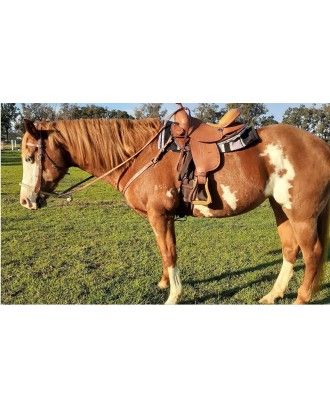
Riding saddles are an essential component for both professional and recreational horse riders. The right saddle not only ensures the comfort and safety of the rider but also influences the performance and well-being of the horse. When investing in a riding saddle, durability and cost-effectiveness are crucial factors to consider. With a plethora of options available, making an informed decision is vital for getting the best value without compromising on quality. This article explores the key aspects to consider when purchasing a riding saddle and how to find the perfect balance between durability and affordability.
Understanding Riding Saddles
Types of Riding Saddles
Riding saddles come in various styles, each designed for specific purposes. Here are some common types:
- Dressage Saddles: Known for their deep seat and long flaps, these are ideal for precision and control.
- Jumping Saddles: Featuring a forward-cut flap, these saddles provide the necessary support for jumping activities.
- Trail Saddles: Built for comfort during long rides, these saddles often include additional padding.
- Western Saddles: Recognized for their durability and support, they are commonly used in ranch work.
Explore further insights here.
Key Features to Look For
When selecting a riding saddle, consider the following features:
- Material: High-quality leather offers durability, while synthetic materials may provide a budget-friendly alternative.
- Fit: Ensure the saddle fits both the horse and the rider for maximum comfort and safety.
- Tree: The saddle’s tree should be sturdy and well-crafted for longevity.
- Padding: Adequate padding helps in distributing the rider”?s weight evenly, reducing pressure on the horse.
Learn more in this detailed guide.
Balancing Durability and Cost
Finding a balance between durability and cost is a common challenge when purchasing a riding saddle. Here are some tips to make the right choice:
- Set a Budget: Determine your budget beforehand to narrow down options and avoid overspending.
- Research: Thoroughly research different saddle types and materials to understand their longevity and maintenance needs.
- Check for Warranties: Saddles with warranties provide assurance of quality and durability.
- Consider Second-Hand Options: High-quality used saddles can offer significant savings without sacrificing performance.
Find additional information here.
Where to Buy Riding Saddles
Purchasing a riding saddle can be done through various channels, each offering its advantages:
- Specialized Stores: Offer expert guidance and a wide selection of saddles.
- Online Retailers: Provide convenience and often a broader range of products.
- Trade Shows: Allow for direct comparison and hands-on evaluation of different saddles.
Conclusion
Investing in a durable and competitively priced riding saddle requires careful consideration of various factors, including the type of saddle, its features, and the balance between quality and cost. By understanding these elements, riders can make informed choices that enhance their riding experience and ensure the well-being of their horses. Whether purchasing from a specialized store, online retailer, or trade show, the right saddle can make all the difference in achieving comfort and performance.